90% Shoppers Don’t Know How to Shop Ethically. Are You One of Them?
Do We Really Need to Think While Shopping?
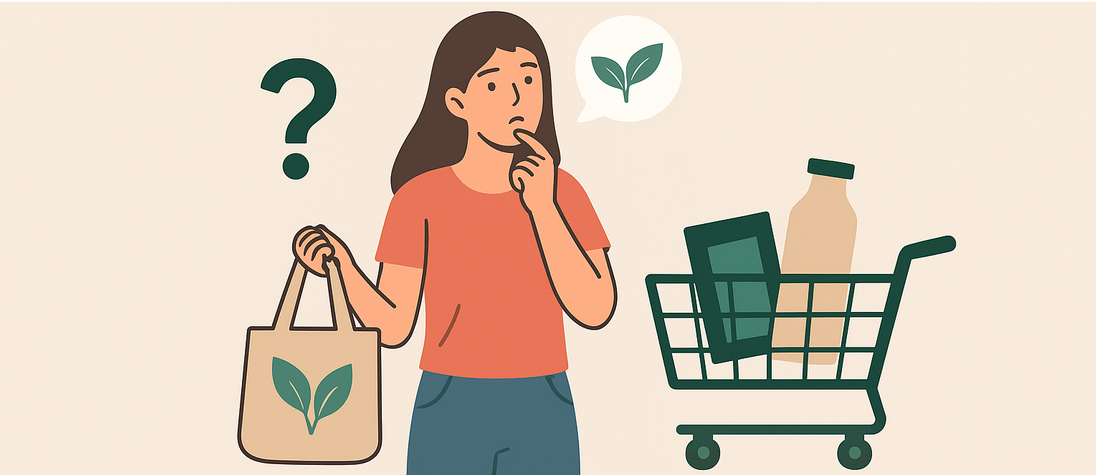
Picture this: you’re walking into a shiny new mall on the weekend, music playing in the background, shop windows glowing with the latest fashion drops. Or maybe you’re scrolling through an online marketplace late at night, with your thumb automatically tapping “add to cart.” Then suddenly, a small question creeps in: “Wait… will this purchase affect other people or the planet?”
For many, this thought used to be rare. Shopping was all about trends, discounts, and convenience. But today, things are shifting. More people are pausing before buying, asking themselves not just “Do I want this?” but also “What does this say about my values?” According to GlobalData’s 2024 report, nearly 58% of consumers worldwide are willing to pay more for eco-friendly products. That’s a big shift. Shopping is no longer just about style or price—it’s also about responsibility.
What Is Sustainable and Ethical Shopping?
At its simplest, sustainable and ethical shopping means making choices that don’t harm people, animals, or the planet. But in practice, it often feels like standing at a crossroads.
Imagine you’re at the beauty aisle, and in front of you are two lotions. One is cheap, smells nice, but was tested on animals and comes in a plastic bottle that will live in a landfill for centuries. The other costs a little more, but it’s cruelty-free and packaged in biodegradable material. Choosing the second option may seem small—but in reality, it’s an active vote for the kind of world you want to live in.
Every purchase is like a tiny ballot cast in an invisible election. Buy fast fashion from a brand with shady labor practices? You’re supporting that system. Invest in a local business with fair wages? You’re helping build a more ethical economy. The power is literally in your hands (or your shopping cart).
Why People Are Choosing Ethical Products
Not long ago, Sarah, a young freelancer in New York, was a self-proclaimed “shopaholic.” Every Friday, she’d reward herself with a new outfit from fast fashion stores. It felt exciting—cheap thrills and constant variety. But one evening, she watched a documentary about mountains of discarded clothes piling up in Ghana, and garment workers in Bangladesh making barely enough to survive. It hit her hard. “If I don’t start choosing better,” she thought, “I’m part of the problem.”
Stories like Sarah’s are becoming common. Shoppers everywhere are waking up to uncomfortable truths:
- Social awareness is rising. People care more about workers’ rights, fair wages, and humane conditions. They don’t want to look stylish at the expense of someone else’s suffering.
- Brand transparency matters. Companies that hide their production process face backlash. People now demand receipts—where materials come from, how workers are treated, and whether products are actually sustainable or just “greenwashed.”
- Influence spreads fast. Social media plays a huge role. A single viral TikTok about unethical practices can tank a brand’s reputation overnight. At the same time, positive stories—like a farmer explaining fair-trade coffee—can spark new loyal fans instantly.
- Long-term value beats instant gratification. More people are realizing that high-quality, durable items are not only eco-friendly but also cheaper in the long run. Why buy five pairs of cheap sneakers if one good pair lasts you years?
This shift isn’t just about individual guilt—it’s about collective empowerment. People are realizing that shopping choices connect them to something much bigger than themselves.
Small Actions, Big Ripples
The idea of “ethical shopping” might sound overwhelming. But the truth is, it often starts with very small, very doable actions.
Maybe it’s choosing to bring your own tumbler to a café instead of using disposable cups. Or maybe it’s deciding to shop at the weekend farmer’s market instead of grabbing imported fruit at the supermarket. It doesn’t feel revolutionary, but these micro-decisions build up. Multiply that by millions of people, and suddenly you’ve got a movement.
Think of it like voting. One ballot might feel insignificant, but together they shape governments. One purchase might feel tiny, but together they shape industries.
Ethical Shopping Tips You Can Actually Stick To
Here are a few practical, everyday steps anyone can try:
- Read the labels. Look out for words like organic, fair trade, cruelty-free, recyclable packaging. These small tags carry big meaning.
- Support local and small businesses. Buying from nearby shops reduces carbon emissions from shipping, plus your money directly fuels your community.
- Cut down on single-use items. Swap plastic straws, bags, and bottles for reusables. Tote bags and stainless steel tumblers are both eco-friendly and trendy.
- Choose quality over quantity. Instead of ten cheap T-shirts that fade after two washes, invest in two or three well-made ones that last.
Imagine this scenario: You’re sipping fair-trade coffee from a local café, scrolling through sustainable living tips on TikTok. You’re not just caffeinating—you’re supporting farmers, workers, and a healthier planet. The vibe hits differently.
How Social Media Fuels Ethical Shopping
Social media has turned sustainability into something visible, shareable, and even aspirational. On TikTok, “sustainable haul” videos rack up millions of views. On Instagram, minimalist flat-lays of thrifted outfits look cooler than brand-new fast fashion. On YouTube, creators explain supply chains in ways that feel more like storytelling than lectures.
This shift matters because it reframes ethical shopping from “boring responsibility” into something stylish and exciting. Instead of guilt-tripping, it’s about empowerment and community. People get to show off not just what they bought, but the why behind it. And that “why” becomes part of their personal brand online.
Brands That Are Doing It Right
Some brands are already leading the way and proving that being sustainable doesn’t mean compromising on style.
- Allbirds: Known for its super comfortable sneakers made from renewable materials like wool and sugarcane.
- Patagonia: A pioneer in outdoor wear, pushing not just eco-friendly materials but also repair programs so you can fix your jacket instead of tossing it.
- Avoskin (Indonesia): A local beauty brand that commits to cruelty-free products and recyclable packaging.
- Sejauh Mata Memandang (Indonesia): A fashion label using traditional techniques, natural dyes, and ethical production processes.
What unites these brands is more than products—they tell stories. Buying from them feels like joining a movement, not just shopping. And in an age of Instagram stories and TikTok trends, that narrative is often as important as the item itself.
The Bigger Picture: Impact Beyond the Cart
So what’s the payoff of all these conscious choices? It’s not just about “feeling good.” It has real-world consequences:
- Less waste and lower carbon emissions. Every reusable cup or thrifted jacket chips away at landfills and reduces pollution.
- Fair treatment of workers. Supporting ethical brands means your money helps ensure safer working conditions and better wages.
- Community empowerment. Buying local creates stronger, more resilient neighborhoods.
Personal satisfaction. Studies show that conscious shoppers often experience less stress and higher life satisfaction.
Research confirms it:
- Harvard Business Review (2023) found that people who prioritize ethics are more loyal to brands.
- Sleep Foundation & PMC (2023 studies) showed that shoppers who align purchases with their values report lower stress.
- GlobalData (2024) revealed 58% of consumers are willing to pay more for eco-friendly products—a clear sign the tide is turning.
Challenges and Criticisms
Of course, ethical shopping isn’t always easy. Prices can be higher, and sometimes it’s hard to tell whether a brand is truly ethical or just greenwashing. Not everyone has access to sustainable products, especially in smaller towns or regions where options are limited.
But here’s the thing: perfection isn’t the goal. The goal is progress. Even small steps—like swapping bottled water for a reusable bottle—add up. And as demand grows, more affordable and accessible options will follow.
So, the next time you’re standing in front of a store display or scrolling online late at night, pause for a second. Ask yourself: “Is there a better version of this? Can I choose something that reflects the future I want to see?”
You don’t need to change everything at once. Start with one swap, one habit, one thoughtful decision. Over time, those choices accumulate into something powerful.
Because shopping isn’t just about filling your closet, your kitchen, or your vanity—it’s about shaping the world around you. Every purchase is a vote, every tote bag a statement, every refillable bottle a promise. And who knows? Your small conscious choice might spark someone else’s journey, maybe even the next viral #SustainableShopping trend. 🌱
